
Snake Bite Basics
Join us as we share stories, tips, and adventures from our rock and mineral community in Kingman, Arizona.
Ron Greenberg snake285@aol.com USA Snakebite Research Team Animal Venom Research Institute (AVRI)
5/8/20243 min read
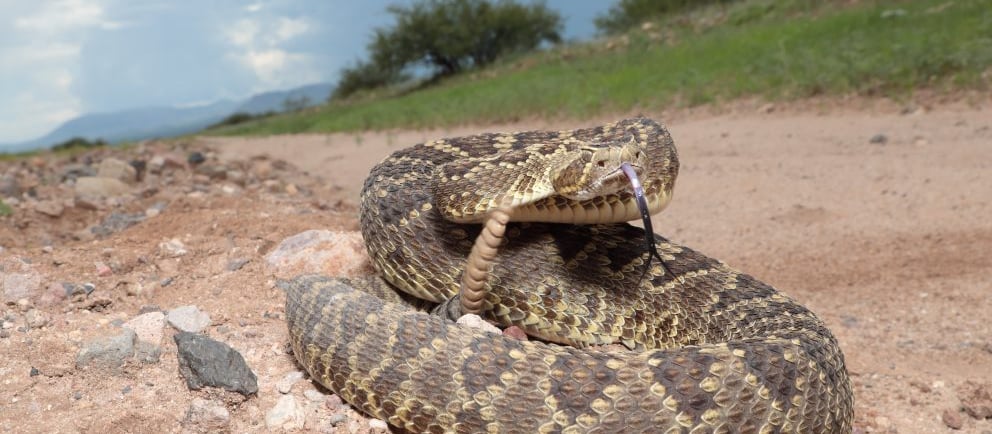
Snakebite I Basics
Well folks it's that time of year again. The days are getting longer and warmer, plants are flowering and ground birds like Quail and Roadrunners are laying eggs. As the season changes so do the activities
of our local reptiles. Small mammals, reptiles and birds are all becoming more plentiful. These critters represent the food profile for our native rattlesnakes. So with the increased ambient temperatures and the prolific nature of the natural food sources we will see an increase in snake sightings. That in of itself is not a bad thing because snakes provide a valuable service that helps keep rodent populations in check.
The problem is that people and pets sometimes cross paths with venomous snakes and this can lead to very unfortunate situation for both. The snake bite can be very painful and very destructive to tissue. The most important thing to remember is snakebites are a me.diced emergency, seek medical attention as soon as possible for a person or a pet. There are no effective home remedies for venomous snakebites.
The use of Benadryl (Diphenhydramine HCL) is NOT recommended as it can mask symptoms and create additional problems.
Here in Arizona there are two types of venomous snakes. Rattlesnakes (pit vipers) and Coral snakes. The most common venomous bite comes from one of the thirteen species of rattlesnake found here. The predominant species in Mohave County are the Western Diamondback and the Mohave rattlesnake. To a lesser degree the Sidewinder can be encountered in the southern portion of the county. Coral snake bites
are much less common, but an immediate response is just as critical and perhaps even more so. The Coral snake produces a neurotoxic venom that blocks nerve impulses causing paralysis. Fewer than l o/o of all venomous snakebites in the United States are caused by Coral snakes.
If you are bitten there are some basic things to do that will improve your bodies response to the venom.
1. Remove all jewelry or tight fitting clothing that may be in the path of anticipated progression of edema (swelling).
2. If possible elevate and immobilize the bitten extremity above the level of the heart.
3. Remain calm to minimize venom absorption.
4. Gently wash the bite site to remove any topical venom or debris.
5. If a pen is available mark the bite location and the TIME of the first observation.
IMPORTANT THINGS NOT TO DO
1. Do NOT give anything to eat.
2. NO alcoholic beverages.
3. Do NOT apply a tourniquet.
4. Do NOT make any incisions.
5. Do NOT apply ice.
6. Do NOT attempt to suck the venom out with your mouth or any mechanical suction device.
7. Do NOT attempt to catch the snake (this has often led to a
second person getting bitten). If you can safely take a picture of the snake that would be great.
Once you arrive at the hospital it is important to notify the ER staff of any allergies especially if known to be allergic to horse or sheep derived products. It is a good idea to ask if there is a medical expert familiar with snakebites to assist with your case management. If an expert is not available and the closest one is hours away have the ER staff contact Poison Control at 1(800)222-1222.
Another option is to contact National Snakebite Support either on line or through Facebook. This is a very good resource that is made up of doctors and veterinarians. These folks are all experts in their respective fields of medicine and they will communicate with you and your hospital staff once you sign on with an active bite situation. If an expert is not readily available these folks would be my first choice.
The best advice is always be careful. Watch where you are stepping and pay attention to where you put your hands. For dogs, Avoidance Training is the very best option. The National Snakebite Support organization and the University of California at Davis, school of Veterinary Medicine ore both advising against the rattlesnake vaccine for dogs.
Ron Greenberg snake285@aol.com
USA Snakebite Research Team
Animal Venom Research Institute (AVRI)
